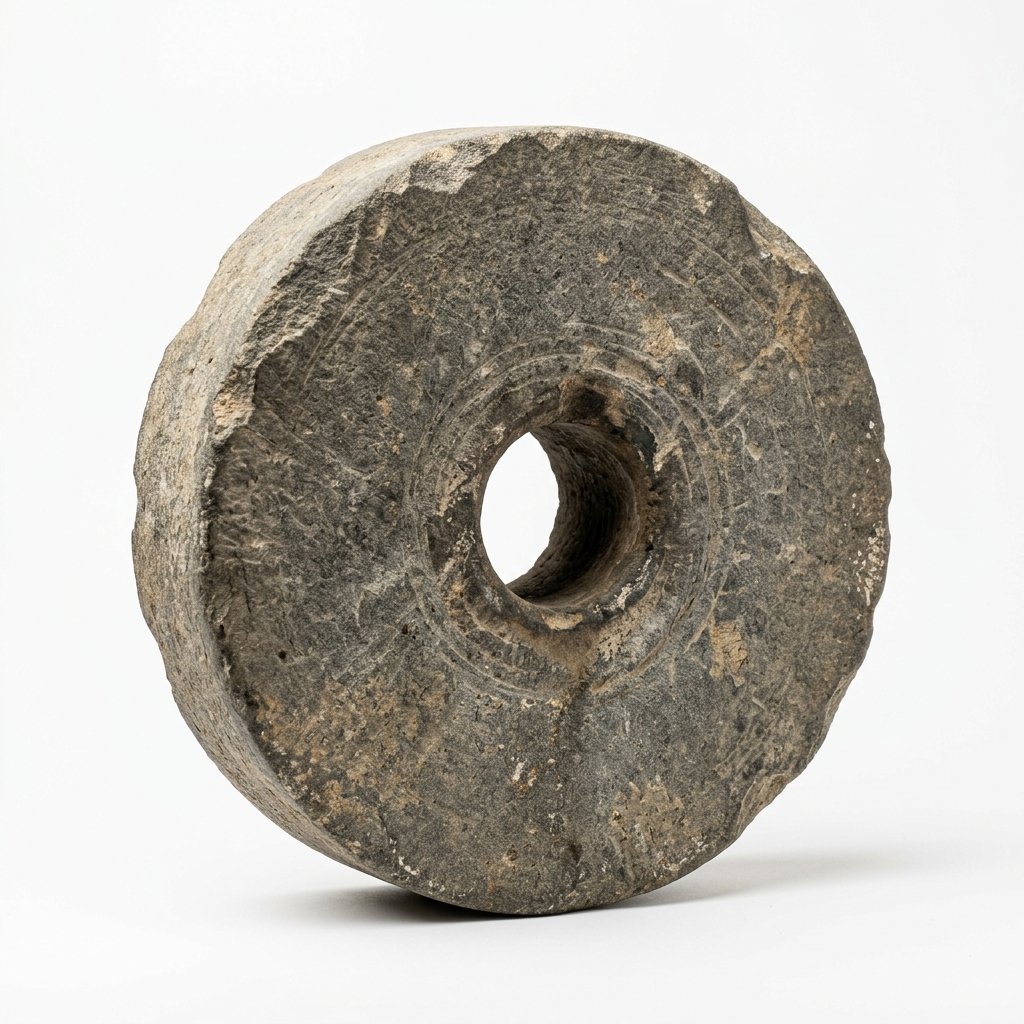
Natural abrasives are minerals or rocks of great hardness, which are born in the earth's crust and are extracted and processed to manufacture abrasive tools. They are used to give shape or finish to a piece or other materials of lesser hardness, through friction or rubbing. Natural abrasives are widely used in a variety of residential, professional, and industrial jobs. Natural abrasives can be differentiated according to their intended use and polished into a wide range of forms, physical compositions, and chemical structures. Because of their nature and structural makeup, natural abrasives are considered to be superior by many specialists, while synthetic ones have less qualities.
However, because of their high quality and low production costs as a result of technical advancements, natural and synthetic abrasives are difficult to tell apart. Natural abrasives are frequently used for tasks including grinding, polishing, cutting, drilling, sharpening, and sanding. Since they allow the moulding of any other material to meet industrial or technological requirements, these materials are extremely helpful. Diamond, Garnet, Silica, Flint, Corundum, and Quartz are some categories of natural abrasives.
In the Gem variety, Diamond is perfectly colourless. Being the hardest substance it has a very long life compared to other materials. It gets destroyed only by impacts. They are used as core drilling stones in rock and metal cutters, wiredrawing dies and gear grindstones.
Common applications of carborundum include in the making of grinding wheels, abrasive papers, abrasive cloth and too sharpening blocks. Garnets possess similar physical properties and crystal compositions. They are usually used to make coated abrasives. The low price is their advantage. The chemical compound silicon dioxide, also known as silica (from the Latin silex), is an oxide of silicon Flint is a hard, sedimentary cryptocrystalline form of the mineral quartz categorized as a variety of chert.