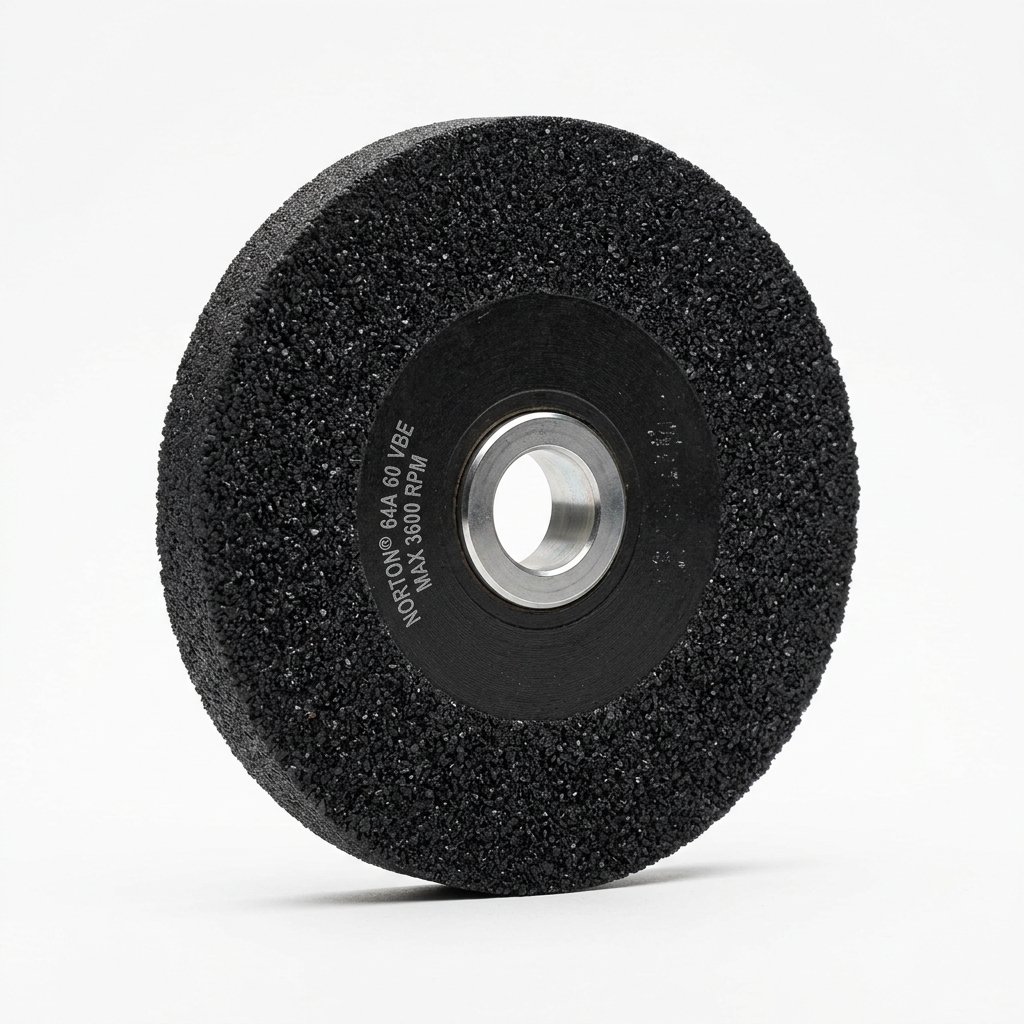
Synthetic abrasives are produced by chemical synthesis or heat treatment of raw minerals. Common examples include silicon carbide, synthetic diamond, and aluminum oxide. They are engineered to exhibit precise grain sizes, fracture behaviors, and hardness parameters, making them highly predictable and optimal for high-precision industrial applications.
Unlike natural abrasives, synthetic abrasives offer consistent quality and structure, which is crucial for modern automated machinery and robotic grinding operations. Their durability under high temperatures and pressures makes them the preferred choice for heavy-duty metal removal, steel fabrication, and precision polishing.
With advanced chemical engineering, synthetic grains can be modified to contain specific microcrystalline structures, allowing them to self-sharpen as they fracture during operations. This significantly extends the lifetime of grinding wheels and flap discs, lowering operation costs.
Common applications of synthetic abrasives include vitrified wheels for precision gear grinding, resin-bonded cutoff wheels, and high-performance sandpaper sheets used in automotive paint preparation.